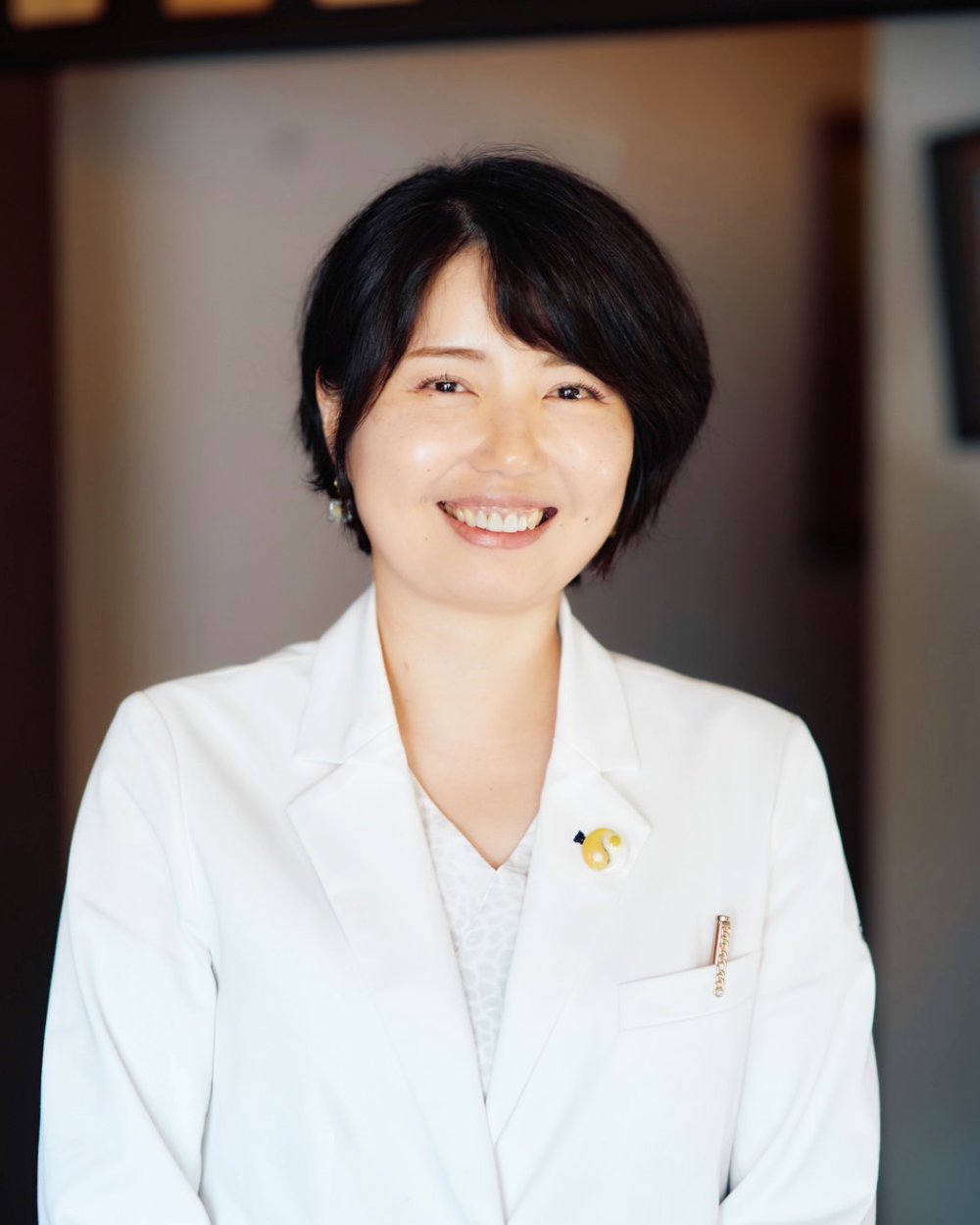
I was born in Kanagawa, Japan.
Due to a congenital heart condition, doctors told my parents I might not live long.
But thanks to many unseen blessings, I grew up with strength and vitality.
As a young adult, I worked hard—perhaps too hard.
One day, I collapsed from exhaustion and was diagnosed with Idiopathic Dilated Cardiomyopathy, a rare and serious heart disease.
That moment changed everything.
To save my own life, I began studying Kampo (traditional Japanese herbal medicine), and eventually earned certifications as a Licensed TCM Practitioner, International TCM Dietitian, and Registered Seller of Medicines in Japan.
In 2005, I had the opportunity to join Kusuri-Nihondo, one of Japan’s leading Kampo pharmacies, where I gained invaluable experience in Kampo consultations and as a lecturer at their Kampo school.
Later, I married Hiroshi who is licensed acupuncturist, and together we decided to pursue an independent path.
In 2017, we opened Kakikofu—our small wellness clinic—in the heart of Jiyugaoka, a neighborhood I’ve always loved.
Thanks to the support of many kind people, our practice has grown and continues to evolve.
However, not long after opening the clinic, the strain of work began to take its toll on my heart.
I was hospitalized several times, underwent multiple surgeries, and was even advised by a cardiologist at the University of Tokyo Hospital to consider a heart transplant.
But I wasn’t ready to give up.
I told my doctors: “Let me first do everything I can using my own vitality—and the power of Kampo medicine.”
With the combined support of both Western and Eastern medicine, I continue to live a full life—working, learning, and sharing what I love.
These experiences have shaped our philosophy:
“Slow Living and Nourishment (Yōjō).”
In Eastern medicine, “Yōjō” means far more than just self-care.
It carries the profound and powerful meaning of “nourishing life itself.”
Within this tradition, yōjō comes first—medicine comes second.
Rather than waiting to treat illness, we cultivate vitality through daily living.
This is the heart of true healing in Eastern thought.
Together with my husband, we have chosen to shorten our business hours, work by appointment only, and move toward expanding our online services, so we can continue this journey sustainably.
Some people have said, “You take too many days off.”
And while we understand their concerns, we kindly ask for your understanding and support.
There may be times I need to rest, be hospitalized, or recover quietly—but it is all part of staying healthy and continuing to help others.
If you see me smiling and working, please know: I’m living proof that even with a serious heart condition, one can still live with joy, purpose, and strength.

登録販売者
国際中医師
国際中医薬膳師
無極自然門気功師・国際気功師
2024年11月30日
「いつものお茶+身近な食材で まいにちのちょい足し薬膳ドリンク」出版
2021年1月15日
「漢方薬絵ずかん」出版
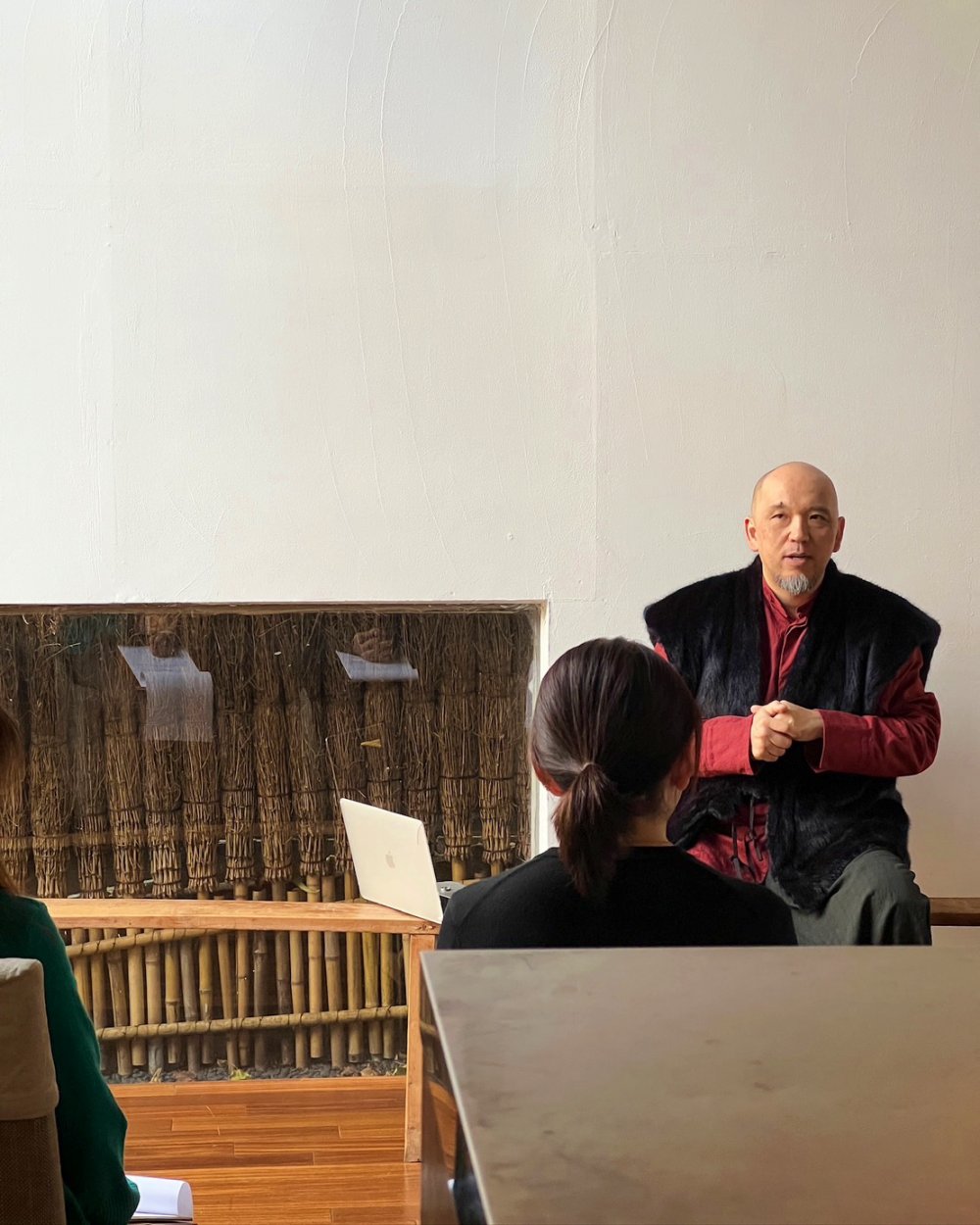
My ancestors were samurai on Awaji Island, a small island in Japan.
When I visited my grandparents’ home, spears and spear racks were still there. I remember the ingenious escape routes prepared in case of an enemy attack, and the hidden paths designed so one could rush immediately to the castle if it were besieged.
Perhaps because of this lineage, I have been deeply connected to martial arts since childhood, and I have continued my training for more than forty years.
My passion for martial arts eventually led me to pursue a career as an action actor, working in films and on stage. Through repeated injuries as a stunt performer, and through witnessing the illness and loss of close friends and family, I came to a painful realization:
“Strength alone is not enough to truly save others.”
These experiences guided me into the world of acupuncture and moxibustion, giving form and purpose to my years of martial cultivation. I later encountered a medical teacher whose foundation was in zazen meditation, waterfall austerities, and martial arts. For twenty years, I studied under him and continued rigorous practice.
His teaching was simple and profound:
Forge the body through martial arts, and serve the people through medicine.
In 1995, I experienced the Great Hanshin-Awaji Earthquake.
My hometown was devastated.
It became a major turning point in my life, compelling me to confront the fragility of life and society, as well as the strength and sincerity of human beings. It forced me to deeply reconsider what it truly means to live as a human being.
In 2011, after the Great East Japan Earthquake, I volunteered independently in Matsushima, Miyagi Prefecture, offering acupuncture treatments to people living in evacuation shelters. The devastation caused by the tsunami was beyond imagination.
What I learned there was deeply moving:
Even without electricity, a single needle can bring healing.
Even without needles, the warmth of hands can ease pain.
And above all, simply being present with compassion can bring light into profound sorrow.
This, I believe, is the essence of Eastern medicine.
In 2015, I married Kaori, a specialist in Kampo herbal medicine and medicinal cuisine (Yakuzen). Because she has a weak heart, I resolved to support her continually. I feel this is part of my duty, as one who carries the blood of a samurai family.
In 2017, we relocated to Jiyugaoka in Tokyo. Since then, through clinical practice, education, and international activities, we have continued to share the wisdom of acupuncture, Kampo medicine, and classical martial arts.
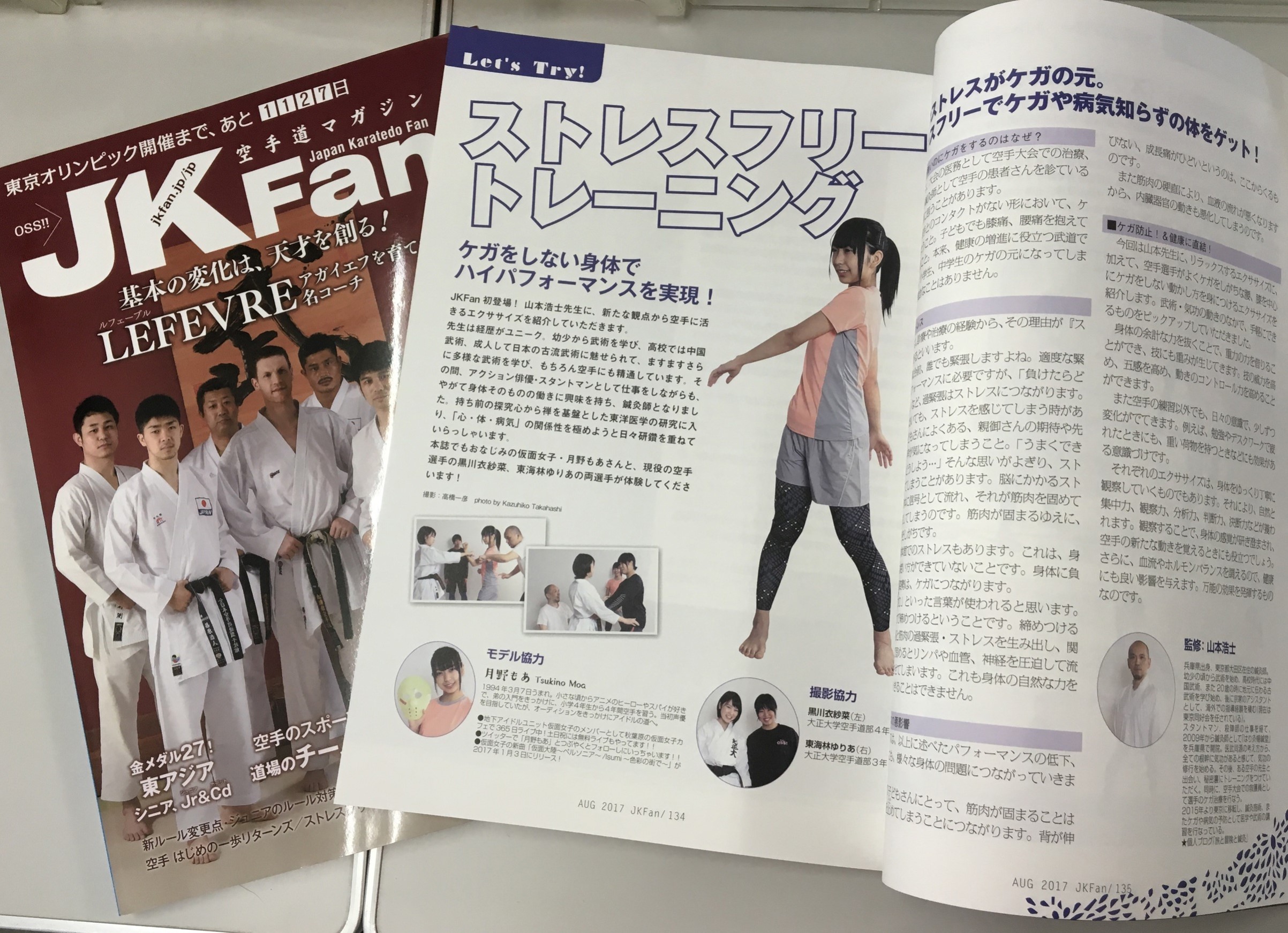
Since 2016, I have traveled to Poland and Italy to teach what I have learned and researched.
In 2025, at the request of the Japan Acupuncture and Moxibustion Association, I was appointed as a member of its International Committee, where I now assist in sharing Japan’s traditional medicine with the world.
はり師・きゅう師
無極自然門気功師・国際気功師